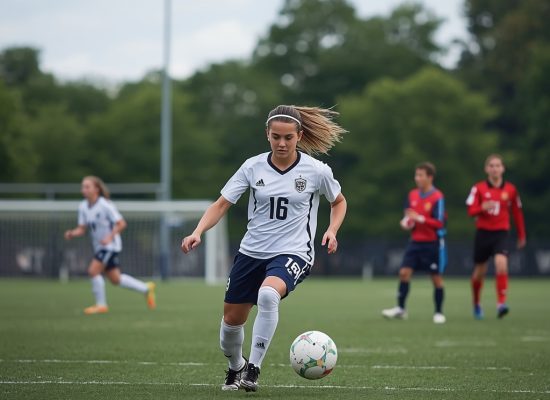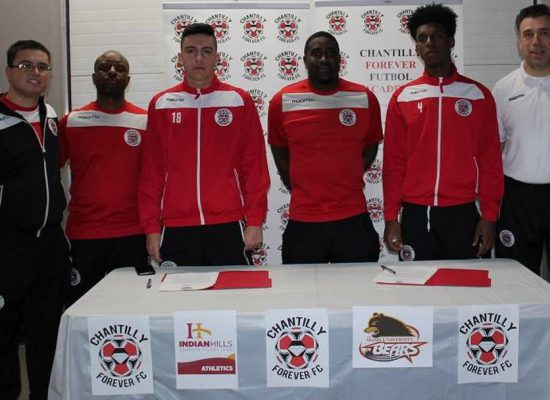
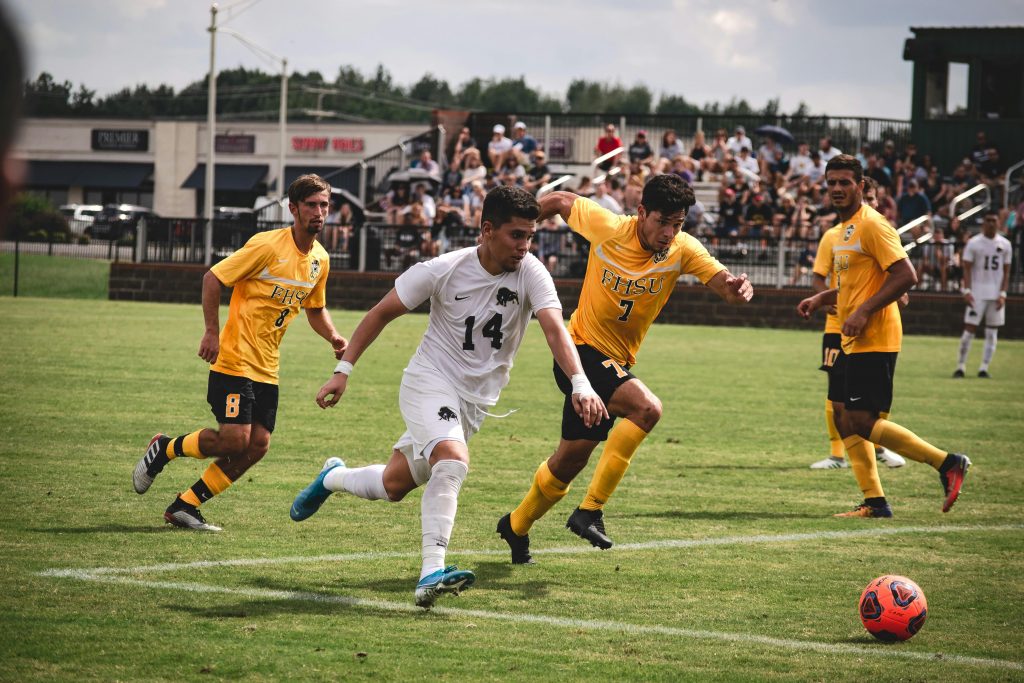
The 30-Second Recruiting Strategy:
Roster Audit: Don’t email teams with 4 freshmen already at your position.
Highlight Reel: Must show “Decision Making,” not just goals.
The Outreach: Personalize every email (No “Dear Coach”).
Academics First: Coaches recruit students they don’t have to worry about.
College soccer recruiting is one of the most competitive processes for high school athletes, and players who want to get recruited must be strategic—not just talented. Understanding how college coaches approach recruiting, evaluate roster needs, and assess long-term fit can determine whether a player earns the right opportunity or gets overlooked.
As a former defender for the Davenport University men’s soccer team, I’ve seen recruiting from the inside—what coaches value, what players overlook, and why some talented athletes never find the right fit. This guide breaks down how to approach college recruiting the smart way.
When it comes to college soccer recruiting, players who understand timing, roster construction, and long-term fit consistently outperform recruits who rely on exposure alone.
1. How College Soccer Recruiting Really Works
College coaches aren’t just recruiting the “best” players—they’re recruiting specific needs.
A coach might love your film, but if they already have:
5 defenders returning next year
3 freshmen already committed
Limited scholarships available
…it may not matter how good you are.
Key takeaway:
Recruiting is about timing and roster balance, not just ability.
2. Be Strategic: Research the Team’s Roster Needs
One of the biggest mistakes high school recruits make is emailing every school blindly.
Instead, you should research:
The current roster by position
Graduation years of players in your position
Incoming commits already announced
What to look for:
Seniors or juniors graduating in your position during your incoming year
Thin depth at your position
Recent transfer losses
If you’re a center back, and the team is losing two starting center backs the year you arrive—that’s opportunity.
This alone can dramatically increase your response rate from college coaches.

3. Prioritize Your Major Over Soccer
This might be hard to hear, but it’s critical:
Soccer should support your education—not replace it.
Injuries happen. Coaches change. Programs get cut.
Before committing, ask yourself:
Does this school offer my intended major?
Is it respected academically?
Would I attend this school without soccer?
Many athletes choose a school for soccer only to:
Switch majors they don’t enjoy
Lose playing time
Feel trapped academically
Smart recruits choose schools that win after soccer.
4. Make Sure the Program Culture Aligns With You
Culture matters more than rankings.
A “top” program isn’t a good fit if:
You don’t connect with the coaching style
Teammates compete in unhealthy ways
Expectations don’t match your personality
Ask the right questions:
How does the coach handle mistakes?
What’s the balance between soccer and academics?
How do players support each other off the field?
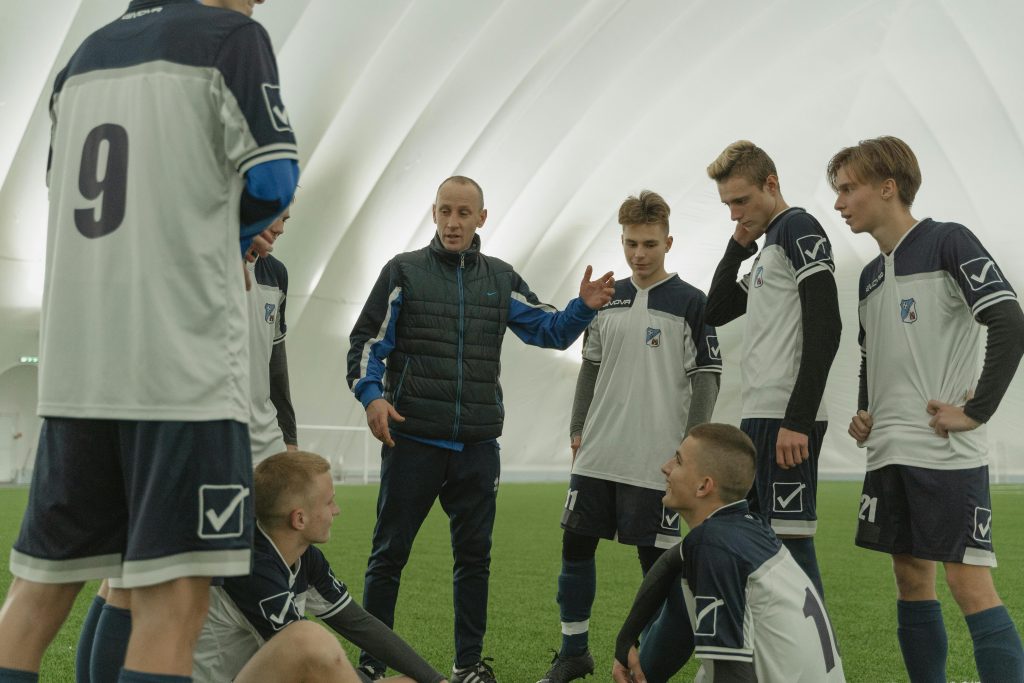
When I played at Davenport University, culture played a huge role in daily standards, accountability, and growth. The right environment accelerates development—on and off the field.
5. Communicate Like a College Recruit (Not a Fan)
When emailing coaches:
Be clear and concise
Mention why their program fits you
Reference roster needs or graduating players
Research
Maturity
Serious intent
That alone separates you from most recruits.
6. Build a Long-Term Recruiting Timeline
Recruiting isn’t instant.
You should:
Start early (Grade 9–10: development & exposure)
Build relationships (Grade 10–11)
Narrow options (Grade 11–12)
Don’t panic if offers don’t come early. Many successful college players were late recruits who found the right fit.
For a deeper understanding of eligibility rules and recruiting timelines, players should also review official guidelines published by the NCAA and U Sports. These resources help clarify academic requirements, contact periods, and recruiting regulations that directly impact college soccer recruiting.
Final Advice From a Former College Player
Talent opens the door—but strategy gets you recruited.
If you remember anything, remember this:
Research roster needs
Choose your major first
Find a culture that fits who you are
College soccer is a chapter—not the whole book.
Make decisions that set you up for success during and after your playing career.
If you want personalized guidance through the college soccer recruiting process, working with someone who has been through it can make a real difference. I offer one-on-one recruiting support for high school players looking to build a clear strategy, communicate effectively with coaches, and choose the right program fit.
Learn more about my college soccer recruiting services here.