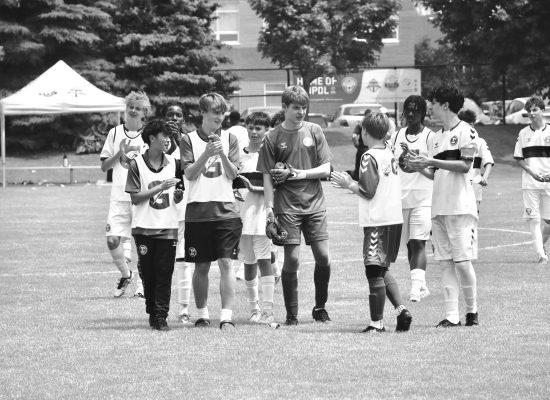

Phase 1: Recovery (Weeks 1-2): Complete physical and mental break from the pitch.
Phase 2: Technical Foundation: 300–500 touches/day focusing on ball mastery and weak-foot development.
Phase 3: Physical Prep: Age-appropriate mobility and core stability (not heavy lifting).
Phase 4: Mental Strategy: Reviewing game film and setting 3 specific “Identity Goals” for the new season.
Why Youth Soccer Offseason Training Matters
Youth soccer offseason training is one of the most important — and most misunderstood — phases of a young player’s development.
When youth soccer offseason training is structured correctly, players can recover from the competitive season, build strength, improve technical ability, and reduce injury risk. Professional coaches consistently emphasize that the offseason should focus on long-term development rather than nonstop competition.
While many youth soccer players either stop training completely or overplay in nonstop tournaments, professional coaches consistently emphasize that the offseason should focus on recovery, strength, technical improvement, and injury prevention. When structured properly, youth soccer offseason training helps players return stronger, healthier, and more confident for the next season.
While many young players either stop training completely or overplay in endless tournaments, professional coaches consistently emphasize that the offseason should be about long-term development, injury prevention, and skill refinement — not burnout.
Why Youth Soccer Offseason Training Matters
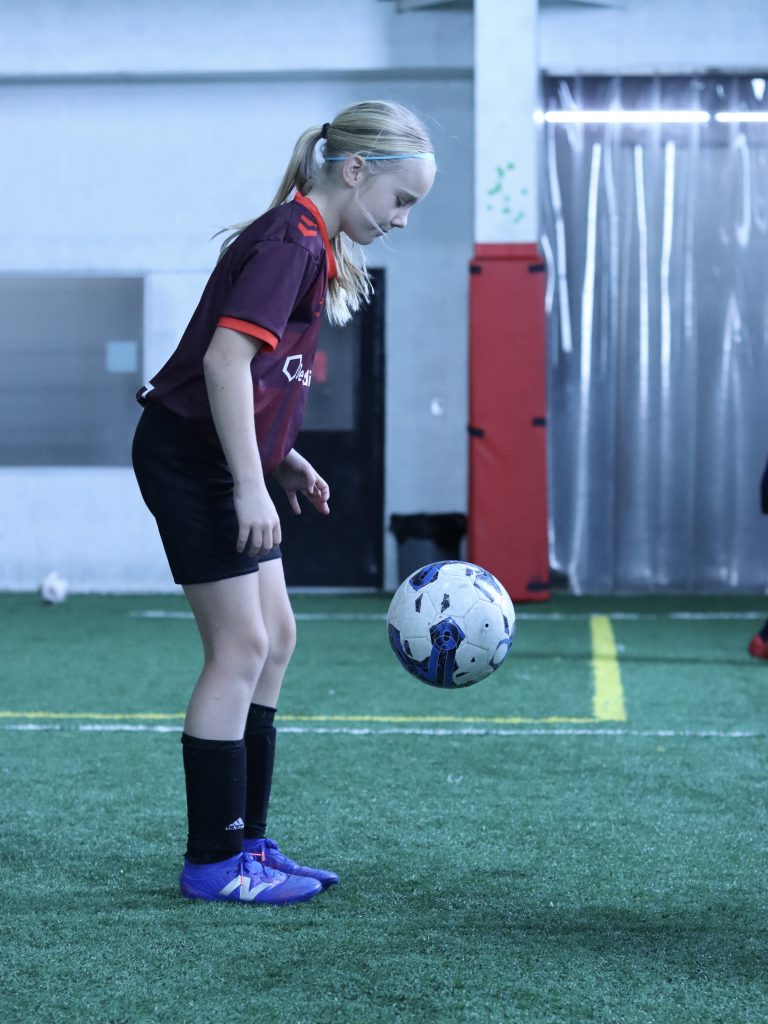
According to publicly shared coaching principles from academy-level and professional development programs, the offseason exists to:
Allow the body to recover from the competitive season
Address physical imbalances and weaknesses
Build a foundation of strength, mobility, and coordination
Improve technical ability without game pressure
Professional coaches frequently stress that progress is made between seasons, not just during them.
How Professional Coaches Structure Youth Soccer Offseason Training
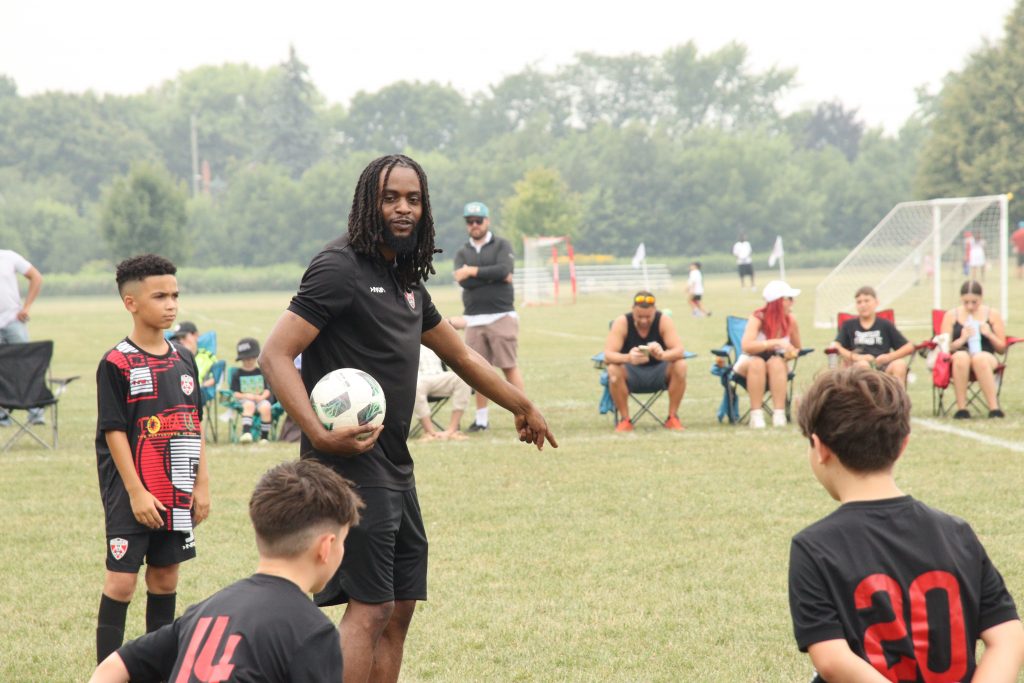
Technical Development During Youth Soccer Offseason Training
According to publicly shared development models from organizations such as U.S. Soccer and FIFA, offseason training should prioritize recovery, movement quality, and long-term development over excessive competition.
Across interviews, coaching clinics, and published development models, most professional youth coaches align on four core offseason pillars:
Technical skill development
Strength & conditioning (age-appropriate)
Mobility & injury prevention
Structured rest and recovery
Professional coaches consistently emphasize that the offseason is the best time for high-repetition technical work — especially for youth players.
Key Focus Areas:
Ball mastery
Weak-foot development
First touch and close control
Passing accuracy
These sessions should be short, focused, and frequent, rather than long and exhausting.
Many UEFA-licensed coaches and academy trainers emphasize similar offseason principles in publicly available coaching education resources.
Recommended Training Equipment:
Strength and Conditioning in Youth Soccer Offseason Training
Publicly available guidance from certified strength coaches and academy programs agrees:
Youth players should not avoid strength training — but it must be age-appropriate.
The offseason is ideal for:
Bodyweight strength
Core stability
Balance and coordination
Proper movement mechanics
Key Principles Shared by Professional Trainers:
Focus on form, not load
Prioritize balance and control
Avoid max lifting for younger athletes
Recommended Equipment:
Recovery & Rest Are Part of Training
Many professional coaches note that injuries often stem from poor mobility, not lack of fitness.
Offseason training should include:
Hip mobility
Ankle stability
Hamstring and groin flexibility
Core mobility
These sessions can be short (10–15 minutes) and done multiple times per week.
Recommended Equipment:
Youth players should:
Take at least 1–2 full rest days per week
Reduce match play during the offseason
Focus on sleep and hydration
Burnout is one of the biggest risks for young athletes who never truly step away from competition.
Sample Weekly Offseason Training Schedule (Youth Soccer)
Monday
Technical ball work (30 min)
Mobility (10 min)
Tuesday
Strength & coordination (30–40 min)
Wednesday
Rest or light recovery
Thursday
Technical + rebounder work (30 min)
Friday
Strength & balance training (30 min)
Weekend
Optional light play or full rest
This structure aligns closely with publicly shared academy offseason models used by professional development programs.
Common Offseason Mistakes Youth Soccer Players Make
Professional coaches often warn against:
Playing too many tournaments
Training with no structure
Ignoring mobility and recovery
Trying to “outwork” poor planning
The offseason should be intentional, not chaotic.
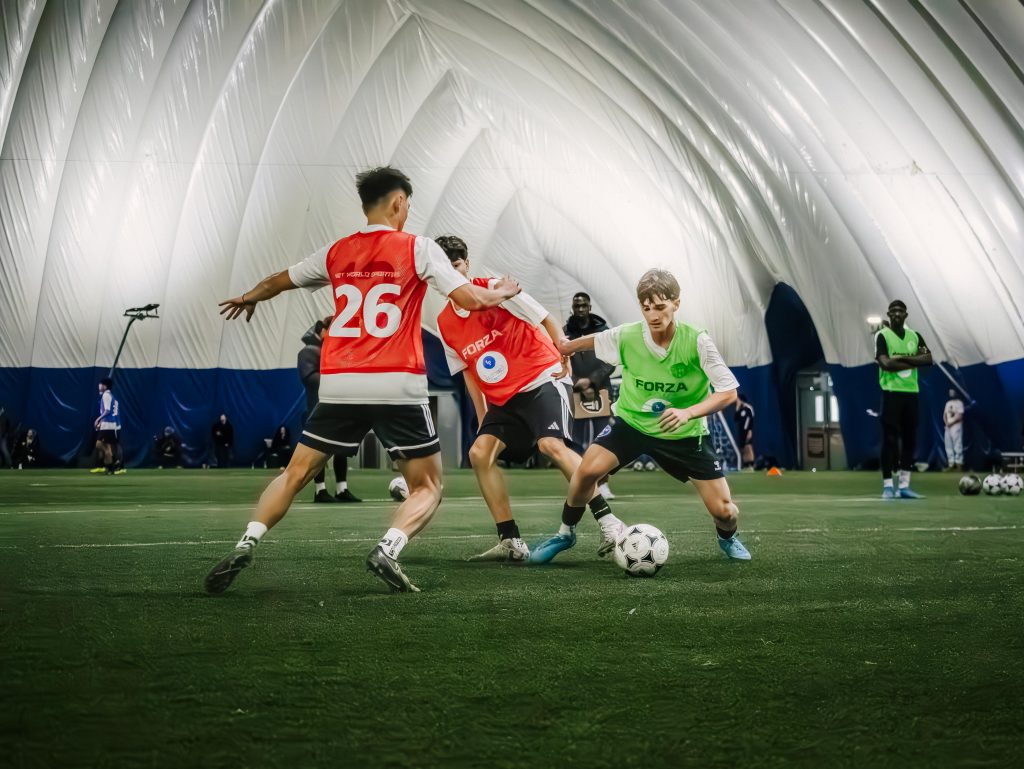
How FinalWhistle Supports Smarter Youth Athlete Development
At FinalWhistle, we focus on helping youth athletes and families make informed development decisions — combining modern training principles with practical tools and media education.
If you’re looking for:
Trusted training equipment recommendations
Athlete development insights
Content and media support for young players
We’ve put together a full list of recommended youth soccer training equipment based on professional coaching principles.
Final Thoughts
The offseason is not about doing more — it’s about doing what matters most.
By following principles consistently emphasized by professional coaches and using simple, effective training tools, youth soccer players can return to the season stronger, healthier, and more confident.
A well-planned youth soccer offseason training program allows players to return to the season stronger, healthier, and more confident.
Affiliate Disclosure
Some links in this article may be affiliate links. This helps support FinalWhistle at no additional cost to you.