
Why Recovery is the Hidden Half of Performance
Most athletes think the work ends when the final whistle blows. In reality, the recovery phase is where your body adapts to the stress of the game, repairs muscle tissue, and builds the strength required for the next match. Without a structured recovery protocol, you aren’t just playing tired—you’re increasing your risk of injury.
1. Immediate Post-Game Nutrition (The 30-Minute Window)
Refueling Glycogen Stores
During a 90-minute match, your body depletes its primary fuel source: glycogen. To prevent the “heavy leg” feeling the next day, you must consume high-glycemic carbohydrates immediately.
Examples: White rice, pasta, or a specialized recovery drink.
Muscle Protein Synthesis
High-intensity sprinting causes micro-tears in your muscle fibers. Providing your body with 20-30g of fast-absorbing protein (like whey or lean chicken) within that first hour is critical for muscle protein synthesis.
2. Rehydration and Electrolyte Replacement
Beyond Just Water
When you sweat, you don’t just lose water; you lose sodium, potassium, and magnesium. Drinking plain water in large quantities can actually dilute your remaining electrolytes, leading to cramping or “brain fog.”
The Sweat Test
A pro tip for serious athletes: weigh yourself before and after a game. For every kilogram lost, you should aim to drink 1.5 liters of fluid enriched with electrolytes to return to baseline hydration levels.
3. The Science of Active Recovery
Why Total Rest is a Mistake
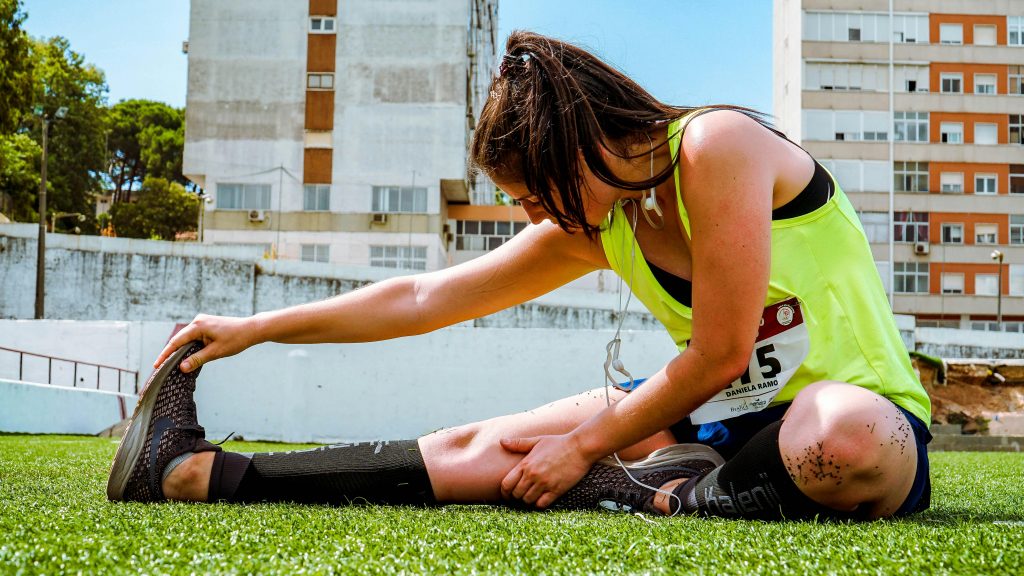
While it’s tempting to spend the day after a game on the couch, “passive recovery” can lead to muscle stiffness.
Benefits of Low-Intensity Movement
Flushing Metabolic Waste: Light movement increases blood flow, which helps clear out the metabolic byproducts (like lactic acid) created during high-intensity play.
The 20-Minute Rule: Aim for 20 minutes of “Zone 1” activity—a light jog, a stationary bike ride, or a swim. Your heart rate should stay low enough that you could hold a full conversation.

4. Optimization of Sleep and Nervous System Repair
The Growth Hormone Connection
Deep sleep (REM and Non-REM stage 3) is when your body releases the majority of its human growth hormone (HGH). This is the “magic pill” for recovery.
Creating a Sleep Sanctuary
To reach the masses, you have to talk about sleep hygiene. Athletes should:
Maintain a room temperature of 18°C (64°F).
Eliminate blue light (phones) 60 minutes before bed.
Aim for 9 hours of sleep during heavy competition weeks.
5. Mental Recovery and Cognitive Load
Avoiding “Athlete Burnout”
The mental strain of tactical discipline and high-stakes decision-making is often overlooked.
The Power of Disconnecting
Elite players use “mental periodization.” After a big game, take time to engage in a hobby or activity completely unrelated to sports. This allows your central nervous system (CNS) to reset, ensuring you return to training with high “cognitive readiness.”
6. Utilizing Game Film for “Mental Recovery”
Reviewing the Tape
While the body rests, the mind can still grow. This is where Final Whistle Media comes in. Reviewing your game film allows you to analyze your positioning and decision-making without physical strain. Seeing your performance from a “third-person” perspective is the fastest way to fix tactical errors before the next kickoff.